
Floatlands innovative floats

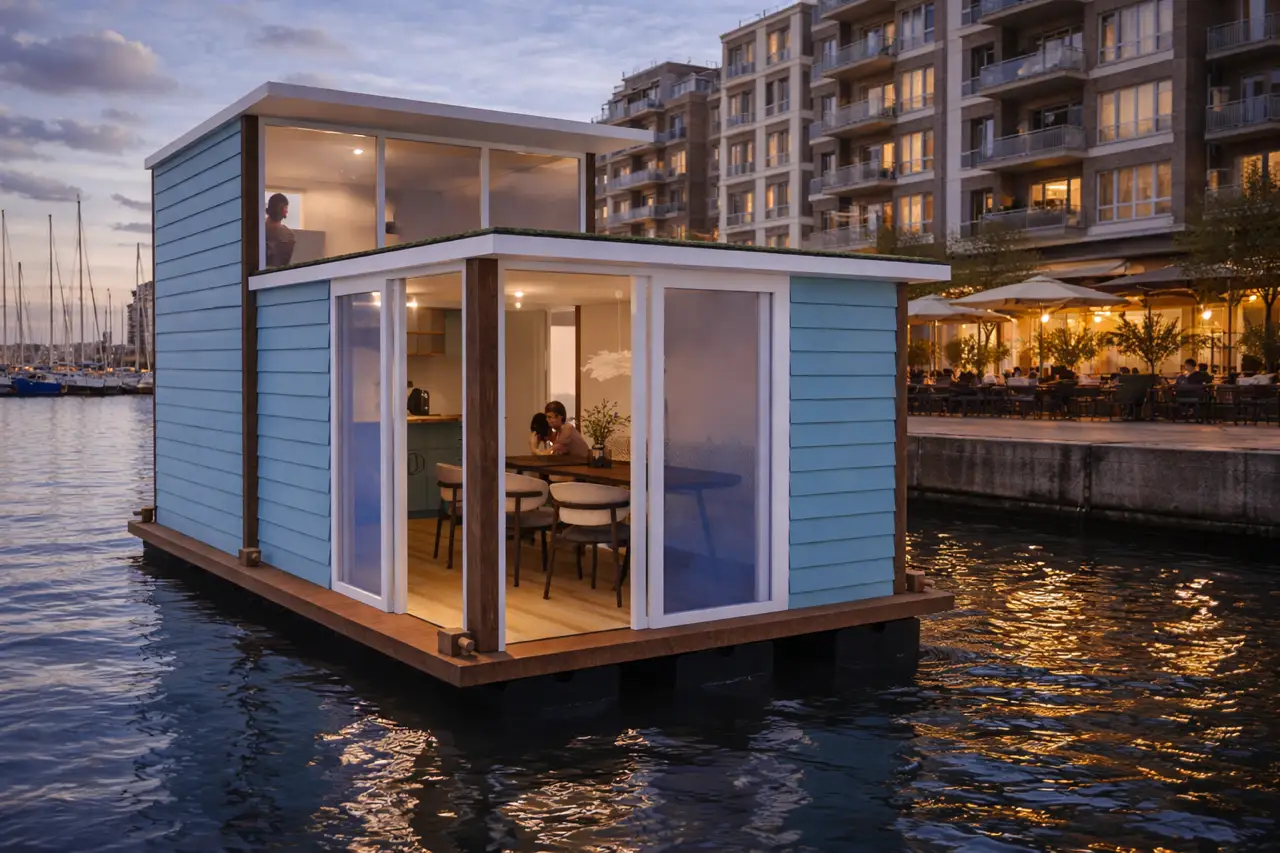
Floatlands innovative floats make it quick and easy to build a floating structure. In collaboration with Floatlands, Pentas Moulding produces modular floats that are used as a floating foundation for applications such as jetties, work pontoons, terraces, and floating homes.
Table of contents
By using rotational moulding, the floats are manufactured as hollow, seamless, and extremely strong products. This production process ensures that no weak joints or weld seams are created, which is essential for products that are used on the water for extended periods. In addition, rotational moulding offers a great deal of design freedom, allowing smart features to be integrated directly into the product.
Collaboration
The Floatlands floats were designed by Huibert Groenendijk. The collaboration between Huibert and Pentas goes back many years and has resulted in several innovative products over time.
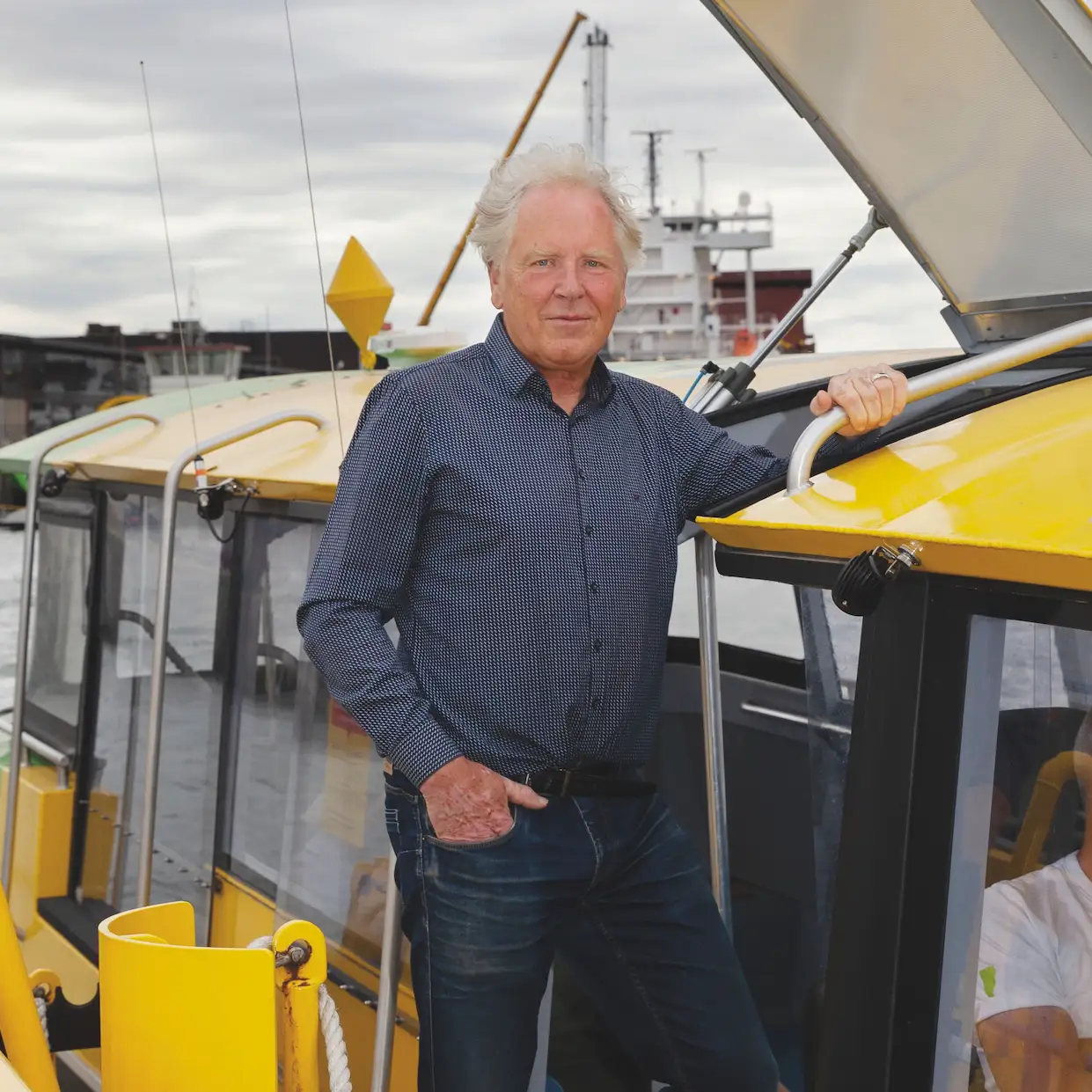
Together with Ruud Koorn, Huibert developed the Floatlands floats. The design incorporates extensive experience gained over recent years. During development, close collaboration ensured that the system was not only functional but also optimally manufacturable and logistically efficient.
In addition to Floatlands, Huibert is also the founder of Protonna, a company specialising in navigation-enabled buoys. These products are still manufactured by Pentas today.
Design
What makes the Floatlands floats unique is their intelligent modular design. The floats can easily be connected to both structures and other floats using crossbeams. This creates a flexible system that enables a wide variety of floating structures to be realised quickly.
During development, the focus was not only on functionality but also on sustainability and logistics. The ambition to create a packaging-free product resulted in a design with an integrated pallet function. In addition, the floats are designed to be stackable, allowing them to be transported and stored efficiently. As a result, the products are prepared for shipment directly during production at Pentas.
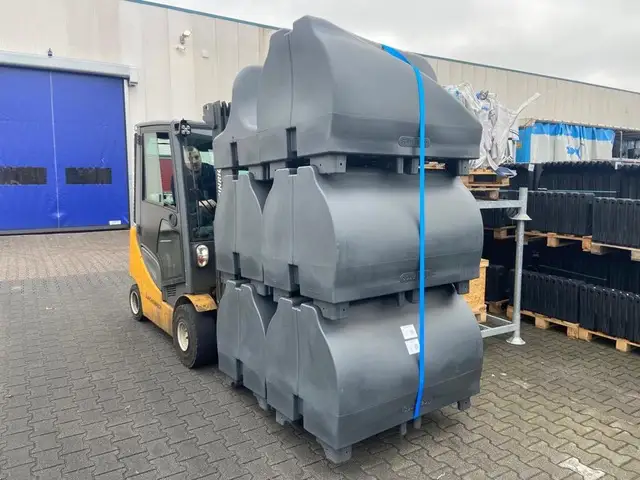
Thanks to the smart design, structures can easily be expanded, modified, or relocated. This makes the system suitable for both temporary and permanent applications on the water.
Applications
The Floatlands floats are suitable for both static and mobile applications. Examples include floating terraces, jetties, work platforms, recreational applications, and modular pontoons. Thanks to the flexible system, structures can be fully tailored to the intended application.
One application currently seeing significant development is floating housing. Thanks to the modular design, the floats not only provide a foundation on the water but also form part of the complete load-bearing structure. This creates a stable and flexible system that is ideally suited for compact floating homes and tiny houses.
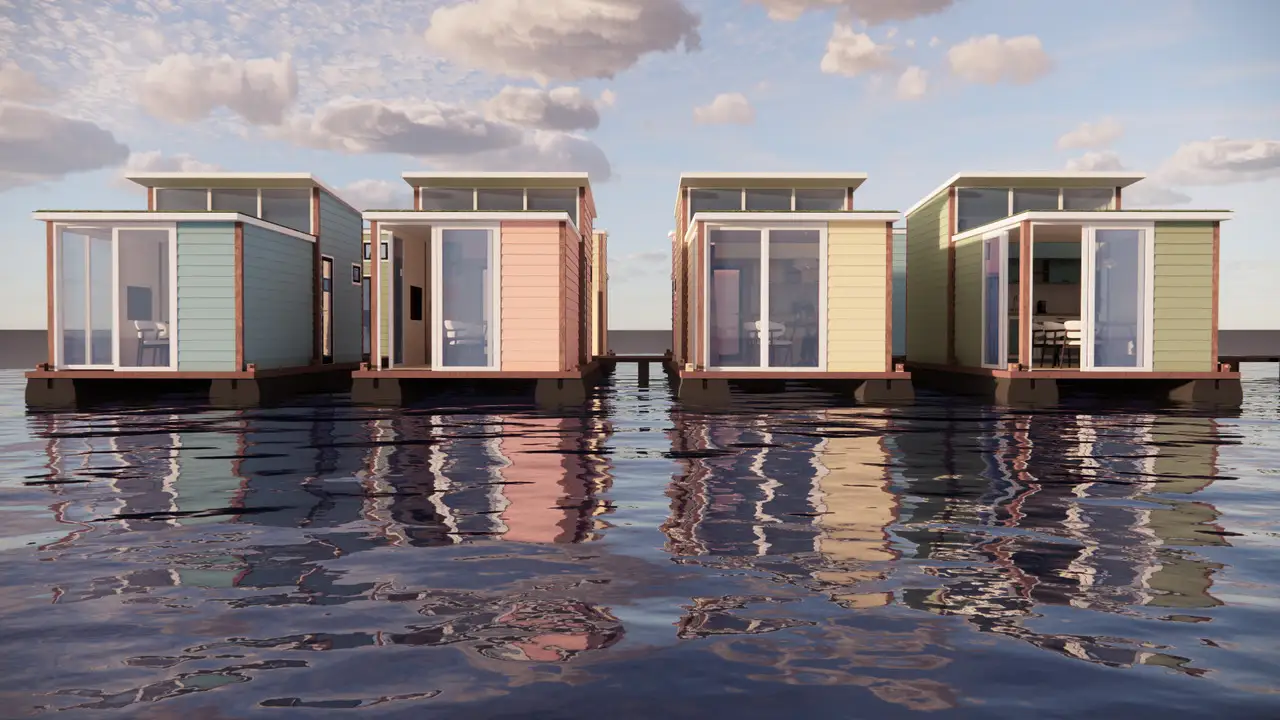
With growing pressure on the housing market, Floatlands sees considerable potential in floating housing solutions for first-time buyers. As part of this development, the first floating starter home has already been realised: the Floathouse. This compact tiny house demonstrates how flexibly the Floatlands system can be used for living on the water. Built on the modular float system developed by Floatlands, the home can be used as a starter home, holiday home, or even a compact office on the water, depending on the application.
The first prototype models demonstrate how flexibly the system can be applied to living on the water. This development is not only about innovation but also about smart use of space, sustainability, and utilising water as a new living environment.